Common Accounting Mistakes Beginners Make (And How to Avoid Them)
Ahmed had just started his small clothing business. He was proud — first month, sales were great. He personally paid the electricity bill from the shop account. Then bought groceries. Then transferred money to his personal phone from the business wallet. "It's all my money anyway," he thought.
Three months later, his accountant sat him down. "Ahmed bhai, your books show a loss of ₹48,000 — but you actually made a profit." Ahmed stared blankly. The confusion, the mixed accounts, the missing receipts — one small mistake had snowballed into a complete financial mess that took weeks to untangle.
If only someone had told him these 7 mistakes before he started. This article is that warning — for every beginner who wants to do accounting right.
According to SCORE (US Small Business Advisory), 82% of small businesses fail due to cash flow problems — most of which are caused by basic, avoidable accounting mistakes.
- 01.Mixing Personal & Business Expenses
- 02.Poor Bookkeeping Habits
- 03.Ignoring Cash Flow Tracking
- 04.Wrong Tax Calculations
- 05.Not Using ERP / Accounting Software
- 06.Data Charts — Visual Insights
- 07.How ERP Systems Fix All This
- 08.Manual vs ERP Accounting Table
- 09.Accounting Knowledge Boost
- 10.Free Accounting Tools
- 11.FAQs — Featured Snippets
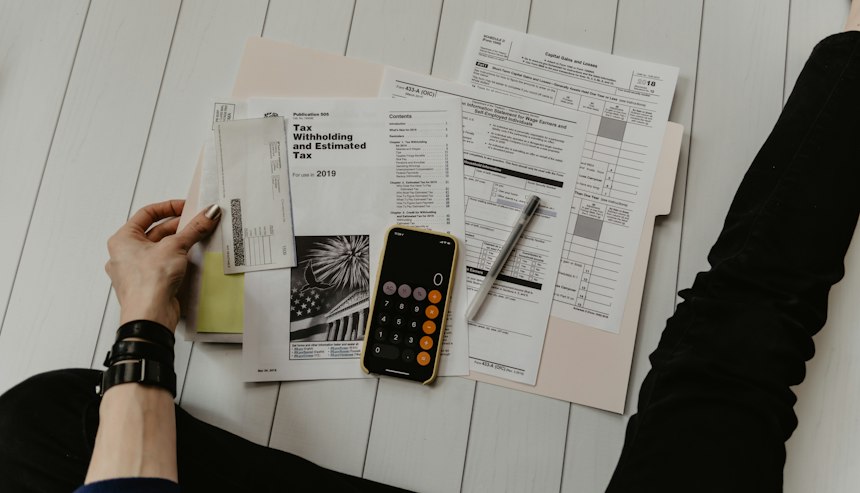
01 Mixing Personal & Business Expenses — The #1 Accounting Mistake
When personal and business money flows through the same account, your books become impossible to trust. You can't see real profit, you can't file taxes accurately, and auditors will not be happy with you.
Most beginners start their business from personal savings. They think, "It's all coming from the same pocket — why separate it?" The answer is because the business is a separate financial entity, even if you own it 100%.
Priya runs a home bakery. She paid for flour using her personal debit card, then paid for her son's school fees from the bakery cash box. At month end, she has no idea if the bakery is actually profitable — because her personal expenses inflated the bakery's "costs."
- Open a dedicated business bank account this week — not next month.
- Get a separate business debit/credit card for all business purchases.
- Pay yourself a fixed "salary" from business profits — never dip into the business account for personal use.
- Use accounting software that flags any transaction that doesn't have a business category.
Even a PKR 50 tea bought for a client visit should go through the business account. Discipline in small amounts builds accurate big-picture financial health.
02 Poor Bookkeeping Habits — The Silent Business Killer
Irregular bookkeeping means missing receipts, forgotten transactions, and month-end panic. When records are incomplete, financial statements become guesswork — and guesswork is dangerous when managing real money.
Beginners are busy running their business. Bookkeeping feels like "admin work" that can wait. It waits — for weeks. Then months. Then suddenly tax season arrives and panic sets in. The habit of daily recording never gets built.
Tariq owns a small electronics repair shop. He collected payments in cash daily but only wrote them down "when he remembered." By December, he had 3 months of missing income records. His taxable income looked much lower — until the tax authority audited him and imposed a penalty of Rs. 25,000.
- Spend 10 minutes every evening recording the day's transactions — no exceptions.
- Use cloud-based bookkeeping software that auto-syncs bank transactions.
- Scan and store receipts digitally using apps like Dext or your ERP system's receipt scanner.
- Do a monthly reconciliation: compare your bank statement with your books.
Treat your daily bookkeeping like brushing your teeth — skip it once and it becomes a habit. Skip the habit and you'll have a financial cavity that costs thousands to fix.
Businesses with poor bookkeeping have a 3× higher chance of IRS/FBR audit penalties. Missing income records can lead to estimated tax assessments that are often higher than your real income.

03 Ignoring Cash Flow Tracking — You Can Be Profitable AND Broke
Many beginners focus only on profit — but a business can show profit on paper and still run out of cash to pay employees, rent, or suppliers. This is the #1 shock that hits growing businesses suddenly.
Beginners confuse revenue with cash in hand. They see their sales growing and assume everything is fine — without realizing that receivables (money owed to them) haven't been collected yet, while payables (bills to pay) are due now.
Sana runs a catering business. She had Rs. 200,000 in outstanding invoices in March. Her income statement showed a profit of Rs. 50,000. But three clients delayed payment. Her bank account had only Rs. 8,000 — and her supplier payment of Rs. 35,000 was due in 5 days. She had to borrow money despite technically being "profitable."
- Prepare a weekly cash flow forecast — money coming in vs. money going out.
- Set strict payment terms: invoices due within 15-30 days, with late payment penalties.
- Maintain a cash reserve of at least 2 months of operating expenses.
- Use your ERP's cash flow module to track real-time cash position automatically.
Revenue is vanity. Profit is sanity. Cash flow is reality. Master cash flow first, and the rest of your accounting becomes much easier to manage.
29% of businesses that fail ran out of cash — not because they lacked customers, but because they failed to track when money actually arrived vs. when bills were actually due.
04 Wrong Tax Calculations — One Number Can Trigger an Audit
Incorrect tax calculations — whether GST, VAT, income tax, or withholding tax — can result in underpayment (leading to penalties and audit) or overpayment (losing money you didn't have to pay). Both hurt your business.
Tax rules are complex, change frequently, and vary by industry and region. Beginners often use the wrong tax rate, forget to include certain income, or miss allowable deductions — all because they're doing it manually without reliable guidance or tools.
Imran runs an online services business. He applied a 5% GST rate to all his invoices — but his service category was actually taxed at 8%. Over 6 months, he under-collected Rs. 18,000 in GST from clients and had to pay it out of his own profit when filing the quarterly return.
- Verify the correct tax category for your business with a certified tax consultant.
- Use online tax calculators — like our GST Calculator and VAT Calculator (UK) — to double-check every invoice.
- Set up automated tax rules inside your ERP software so invoices auto-apply the correct rate.
- File tax returns on time, every time — late filing penalties compound quickly.
Tax laws change every fiscal year. Schedule a 30-minute review with your accountant at the start of each financial year to update your tax rates in your accounting system.
In Pakistan (FBR), the UK (HMRC), and India (GST Council), late filing or incorrect tax returns can attract penalties ranging from 5% to 25% of the unpaid tax amount — plus interest compounded monthly. Don't gamble with tax compliance.

05 Not Using ERP/Accounting Software — Doing Everything Manually Is a Trap
Manual accounting — spreadsheets, paper ledgers, handwritten cash books — is error-prone by nature. A misplaced decimal, a copy-paste mistake, or a forgotten entry can cascade into hours of rework and thousands in financial discrepancies.
Beginners think ERP and accounting software is expensive or too complex for their small operation. Many also feel they "can handle it" with Excel. But as transaction volume grows even slightly, manual systems collapse under their own weight.
Kamran managed inventory and accounts for his 3-person trading business in Excel. One day, a formula cell got accidentally overwritten. Three months of inventory counts were wrong. He discovered this only when a physical stock count showed a Rs. 90,000 discrepancy. Finding the error took 40+ hours of auditing.
- Start with a cloud-based ERP or accounting tool — even basic free tiers of platforms like Wave, Zoho Books, or a simple ERP for small business work wonders.
- Enable automated bank feeds so transactions import daily without manual entry.
- Use the software's invoice module to auto-calculate taxes and track receivables.
- Set up automated reports — P&L, cash flow, balance sheet — that refresh weekly.
- As you grow, upgrade to a full ERP that handles inventory, HR, and multi-entity accounting.
The right accounting software doesn't cost you money — it saves you money. Even a Rs. 2,000/month subscription that saves 10 hours of manual work monthly is returning 10× its cost in time alone.
* Based on survey data from SME accounting studies (2025). Percentage of beginners who reported this mistake.
* Distribution of common financial error categories in small business accounting.
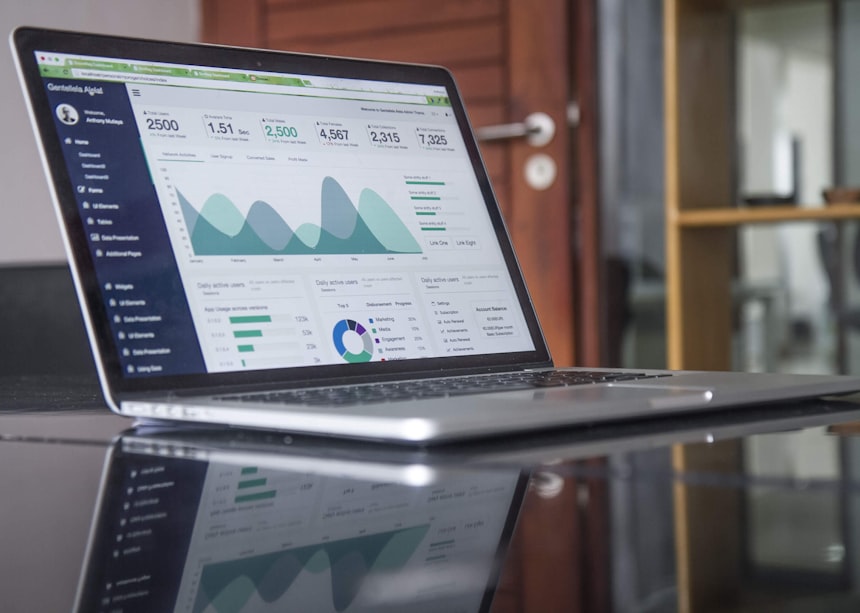
⚙️ How ERP Systems Solve Every Accounting Mistake Above
Every single mistake covered in this article — from mixing expenses to miscalculating taxes — has one powerful common solution: a modern ERP system. ERP (Enterprise Resource Planning) software is not just for large corporations anymore. Today, cloud-based ERP solutions are affordable, scalable, and designed specifically for small and growing businesses.
When you use an ERP, your accounts are separated automatically. Bookkeeping happens in real-time. Cash flow is tracked on a live dashboard. Taxes are calculated by the system using pre-set rules. And human error — the root cause of almost all accounting mistakes — is dramatically reduced through automation.
| Feature | Manual / Excel Accounting | ERP Accounting System |
|---|---|---|
| Accuracy | ❌ Error-prone, human mistakes | ✅ Automated, formula-validated |
| Time Saving | ❌ Hours of manual data entry | ✅ Auto bank feeds, instant reports |
| Cost | ⚠️ Low upfront, high recovery costs | ✅ Affordable SaaS plans, high ROI |
| Risk of Error | ❌ Very High (60–80% error rate) | ✅ Very Low (2–5% residual risk) |
| Scalability | ❌ Breaks down with growth | ✅ Scales from 1 to 1,000+ users |
| Tax Compliance | ❌ Manual rate lookup & calculation | ✅ Auto-applies correct tax rules |
| Cash Flow Visibility | ❌ Static, often outdated | ✅ Real-time live dashboard |
| Audit Trail | ⚠️ Difficult to reconstruct | ✅ Complete, timestamped history |
📘 Build Your Accounting Knowledge Foundation
Avoiding mistakes is easier when you understand the fundamentals. These guides will take you from zero to confident in accounting basics.
🧮 Free Accounting Tools — Calculate With Confidence
Stop guessing on tax amounts. Use these free, accurate calculators to verify every invoice before it goes out.
❓ Frequently Asked Questions
🎯 Your Next Steps Start Today — Not Tomorrow
Every accountant who is great today was once a beginner who made mistakes. The difference between those who succeed and those who struggle is simple: they learned from the mistakes before they made them. You've just done exactly that.
Now take action. Pick one item from this list and fix it in your business today.


Comments
Post a Comment